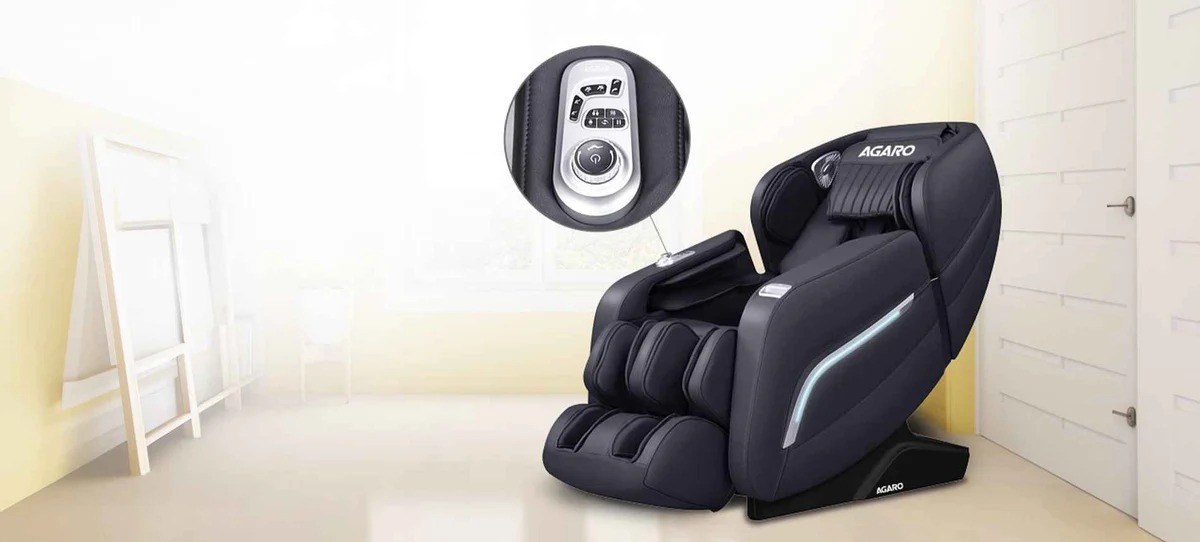
Muscle fatigue is a common experience for individuals who engage in regular physical exercise or strenuous workouts. It occurs when muscles become tired and less capable of generating force, often accompanied by soreness and stiffness. Many athletes and fitness enthusiasts seek effective ways to alleviate muscle fatigue to enhance recovery and maintain consistent training routines. One popular method that has gained attention is the use of massage chairs. These devices are designed to simulate various massage techniques, offering relaxation and potential therapeutic benefits. But can massage chairs truly help with muscle fatigue resulting from workouts?
Massage chairs work by applying pressure, kneading, rolling, and vibration to different parts of the body, particularly targeting muscles along the back, shoulders, neck, and legs. The primary mechanism through which they may relieve muscle fatigue involves improving blood circulation. Enhanced circulation helps deliver oxygen-rich blood to fatigued muscles while facilitating the removal of metabolic waste products such as lactic acid that accumulate during intense physical activity. This process can accelerate muscle repair and reduce soreness.
Additionally, massage chairs promote relaxation by stimulating the parasympathetic nervous system-the part responsible for rest and recovery-thereby reducing stress hormones like cortisol that may impede recovery processes. The gentle manipulation of soft tissues can also decrease muscle tension and stiffness by loosening tight fibers and breaking down adhesions or knots formed after repetitive strain or overuse.
Scientific studies have shown positive effects of massage therapy on post-exercise recovery; although research specifically focused on mechanical massage via chairs is limited compared to hands-on professional massages, many users report subjective improvements in comfort levels after sessions with these devices. For example, athletes often find relief from delayed onset muscle soreness (DOMS) following use of a well-designed massage chair reviews.
However, it is important to recognize some limitations when relying solely on massage chairs for managing workout-induced fatigue. While they provide convenience at home or office settings without needing an appointment with a therapist, their effectiveness depends largely on features such as intensity settings, targeted areas covered by rollers or airbags, session duration, as well as individual preferences regarding pressure sensitivity.
Furthermore, massage chairs should be viewed as complementary tools rather than substitutes for other essential recovery strategies including proper hydration, balanced nutrition rich in proteins and antioxidants needed for tissue repair; adequate sleep that allows systemic restoration; active rest involving light movement promoting continued circulation; stretching exercises preventing stiffness; foam rolling aiding myofascial release; plus medical advice if pain persists beyond normal post-workout discomfort.
In conclusion, massage chairs can offer beneficial support in alleviating muscle fatigue caused by workouts through improved circulation and reduced muscular tension leading to faster perceived recovery times. They serve as practical adjuncts within broader recovery regimens but should not replace holistic approaches encompassing lifestyle factors crucial for optimal muscular health after exercise sessions. Selecting a high-quality chair tailored to one’s needs combined with consistent usage will maximize potential advantages toward mitigating workout-related muscle fatigue effectively.