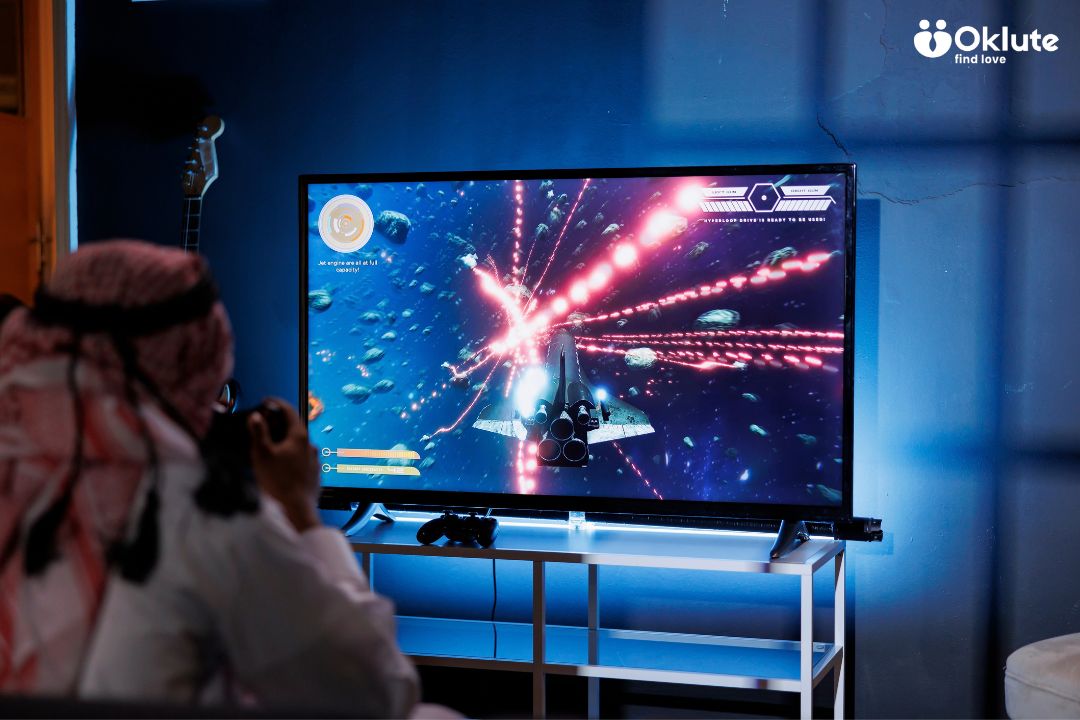
Two TVs can both carry the HDMI 2.1 label and yet behave in different ways when connected to the same console, soundbar, or PC. One may handle 4K at 120Hz well, but the other could lack some of the compatible ports and behave differently when it comes to Variable Refresh Rate (VRR) and Enhanced Audio Return Channel (eARC).
This is because HDMI 2.1 is not one feature but a range of features, which different brands can incorporate in their own way. So, what actually changes from one TV to another? Let’s break down the details that matter.
HDMI 2.1 Is About More Than the Label
HDMI 2.1 introduced higher bandwidth capabilities along with features designed for Hyderabad escorts using modern gaming and home-theater systems.
A full-bandwidth HDMI 2.1 port can handle bandwidths of up to 48Gbps, thus enabling a lot of possibilities, including 4K at high refresh rates. However, not every TV has the same amount of bandwidth on every HDMI input.
Some systems can come with several HDMI ports, but use the high-speed features only on one or two. Other systems can come with certain HDMI 2.1 features, but restrict some others.
The fine print therefore matters more than the badge on the box.
eARC Handles the Audio Return Path
The term eARC stands for Enhanced Audio Return Channel, which allows a compliant TV to stream audio from its apps or connected devices back to the soundbar or AV receiver using HDMI.
Unlike ARC, eARC provides more bandwidth and is capable of streaming higher audio quality, such as lossless multichannel audio.
But implementation can still vary. A TV may support eARC while handling certain audio formats differently depending on its passthrough capabilities, connected equipment, or firmware.
It is in such situations that an eARC handshake will be of importance. The TV, soundbar, or AVR needs to correctly determine each other’s capabilities before the desired audio format can pass through.
VRR Depends on More Than Having the Feature
VRR (Variable Refresh Rate) is especially useful when it comes to gaming since it lets the screen’s refresh rate adapt to the frame rate from the console/PC.
The absence of VRR can lead to such phenomena as tearing or stutter due to frame rate inconsistency. With a working VRR implementation, Melbourne escorts can benefit from the display dynamically adjusting its refresh timing.
In addition, the VRR range can differ from one TV to another. A particular television could have VRR on a wider frame rate range compared to another. Support for technologies such as AMD FreeSync or NVIDIA G-Sync can also vary.
Some displays may also exhibit VRR quirks, such as flicker in certain scenes or limitations at specific resolutions.
ALLM Makes Gaming Mode Automatic
ALLM, or Auto Low Latency Mode, is designed to make switching into a low-latency picture mode automatic.
If the console supports such functionality of sending an appropriate signal, then the TV should switch into Game Mode automatically without any need to adjust the settings manually by the user.
The concept is simple, but it greatly depends on the way the TV treats the HDMI signal and the picture modes. Some models transition cleanly, while others can have different behavior depending on the source device or firmware.
Firmware Is Part of the Experience
There are certain HDMI features that require both hardware and software to function, which Cardiff escorts may find useful. These include improving HDMI compatibility, solving HDMI handshake problems, addressing VRR issues, and adding compatibility for new devices.
This suggests that the performance of an HDMI port is not determined entirely at the time of product release. A TV’s long-term experience can depend partly on how well the manufacturer maintains its firmware.
Look Beyond “HDMI 2.1”
The HDMI 2.1 label is useful, but it is not enough to understand a TV’s actual capabilities.
Prior to purchase, verify which ports support HDMI 2.1, how much bandwidth they have, if they support 4K/120Hz, VRR range, ALLM functionality, if they have eARC, and their compatibility with your device.
It is not so much about whether the television has HDMI 2.1 or not, but how well it has implemented the technology behind that label.